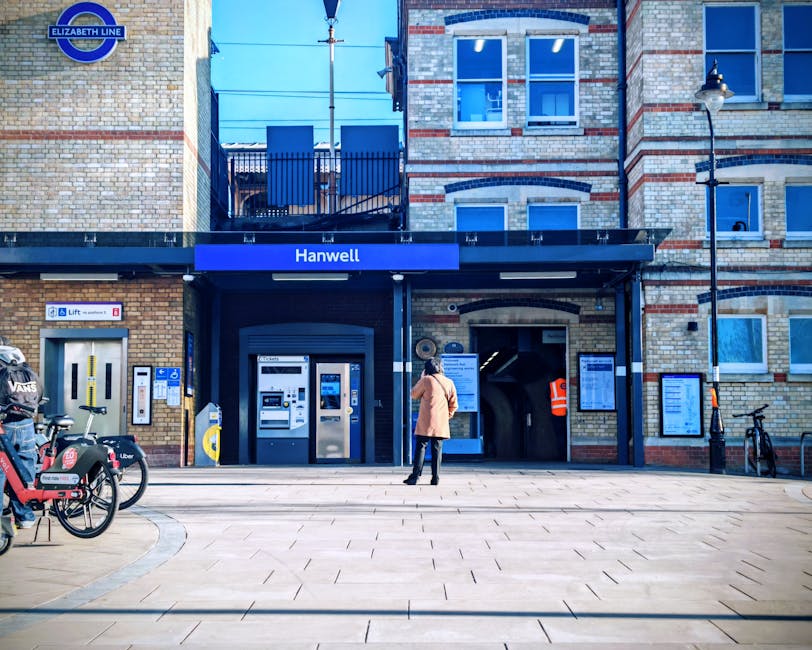
Removals EN5 guide for High Barnet Station moves

If you are planning a move around High Barnet Station, the first thing you notice is that timing matters. Trains, narrow residential roads, flats above shops, and the usual last-minute box panic can all collide at once. This Removals EN5 guide for High Barnet Station moves is here to make the process feel manageable, whether you are moving a one-bed flat, a family home, or a small business nearby. It covers what to expect, how to plan around station-area challenges, and how to choose the right moving approach without turning moving day into a small disaster. Let's keep it practical.
Why Removals EN5 guide for High Barnet Station moves Matters
Moving near High Barnet Station is not the same as moving on a wide suburban road with unlimited kerb space. Station proximity changes the whole rhythm of the day. There may be commuter traffic in the morning, buses passing through, parking pressure, and pedestrians moving quickly because, well, everyone has somewhere to be.
That is why a removals plan for EN5 should be more than "book a van and hope for the best". A proper plan helps you avoid awkward delays, stress with neighbours, missed delivery windows, and the kind of rushed loading that leads to scratched furniture or forgotten essentials. It also helps you choose the right service level. For some people, a full house removals service makes sense. For others, a simpler man with van arrangement is enough.
In station-adjacent moves, small details become big ones. Can the vehicle stop safely? Is there room to turn? Will you need help carrying items from a first-floor flat? Do you need packing and boxes arranged in advance so the loading happens efficiently? These are the questions that separate a smooth move from a long, tiring day with far too many trips back and forth.
Expert summary: The closer your move is to High Barnet Station, the more value you get from careful timing, clear access planning, and the right removal vehicle for the property type.
How Removals EN5 guide for High Barnet Station moves Works
The basic removal process is simple enough, but around High Barnet Station it needs a little more forethought. The job usually starts with an assessment of what is moving, where it is moving from, and how easy it will be to load and unload. A professional mover will often ask about stairs, lifts, parking, and any awkward items such as wardrobes, bikes, or a piano.
Then the practical planning begins. This may involve deciding whether you need a removal van, a larger moving truck, or perhaps a flexible booking through removal services. The right choice depends on volume, access, and how much help you need on the day. Truth be told, overestimating vehicle size is usually safer than underestimating it.
Next comes packing and preparation. The better your boxes are labelled, the faster the unload. If you need help getting ready, packing and unpacking services can save time and reduce the feeling that everything is happening all at once. For bigger or more complex moves, especially if access is tight or there are bulky items, using trained removal companies can be the steadier option.
On moving day itself, loading sequence matters. Essentials should go in last or be kept aside. Fragile items need sensible padding. Large furniture should be disassembled where possible. And around station roads, the crew often has to work a little quicker and a little cleaner, because blocking access for ten minutes can feel like an hour when traffic starts to gather.
Key Benefits and Practical Advantages
A well-planned EN5 move near High Barnet Station gives you more than convenience. It gives you breathing room. That matters more than people think.
- Less disruption: Good timing reduces congestion, neighbour frustration, and the usual moving-day scramble.
- Safer handling: Proper packing and the right vehicle reduce the risk of damage to furniture, flooring, and doorframes.
- Better time control: A move that is planned around local access is usually faster, which means less waiting around with boxes in the rain.
- More suitable service choice: You can match the move to your exact needs, from man and van support for smaller loads to full-scale house support.
- Lower stress: A clear plan stops the day from becoming one long chain of decisions.
Another benefit people often overlook is confidence. When you know what will happen at each stage, you are less likely to make rushed decisions. That is especially useful if you are juggling school runs, work calls, or an awkward tenancy deadline. And yes, moving is stressful even when everything goes well. The goal is not perfection. It is control.
Who This Is For and When It Makes Sense
This guide is useful for anyone moving in or around EN5, but it is especially relevant if your property is close to High Barnet Station or sits on a busy approach road. In those areas, removal logistics can be shaped by traffic patterns and parking limits more than people expect.
You will likely find this helpful if you are:
- moving from a flat near the station and need help with stairs or shared entrances
- relocating a family home and want a full-service move
- moving into student accommodation or out of it, where time and access are tight
- upgrading to a larger property and need temporary storage for overflow items
- moving office or a small business and need minimal disruption
It also makes sense if you only have a few heavy items and do not want to hire an oversized vehicle for the sake of it. In that case, smaller-scale support such as man with a van can be a practical middle ground. For larger family moves, though, a more complete home moves service may be the calmer choice. Sometimes the simplest option is the one that saves you the most effort later.
Step-by-Step Guidance
Here is a straightforward way to approach a move near High Barnet Station without missing key details. Nothing fancy. Just a clear sequence that works.
- List what is moving. Walk through every room and note furniture, boxes, delicate items, and anything awkward in size or weight.
- Check access. Think about stairs, lifts, front-door width, resident permits, loading space, and whether a vehicle can stop legally and safely.
- Choose the service type. Decide whether you need flat removals, house removals, or something lighter such as a van-based option.
- Book early where possible. Station-area moves often benefit from an earlier time slot so loading happens before the day gets busy.
- Prepare materials. Boxes, tape, labels, mattress covers, and wrapping are boring purchases, but they save headaches later.
- Pack by priority. Keep daily essentials together: documents, chargers, medications, kettle, tea, and a change of clothes. You will thank yourself at 7pm.
- Protect furniture. Remove shelves, secure doors, and use blankets or wrap on vulnerable surfaces.
- Load in a sensible order. Heavy and sturdy items first, fragile items last, with clear space for the unload at the other end.
- Do a final sweep. Check cupboards, loft spaces, under beds, outdoor corners, and meter cupboards. People always forget one thing. Always.
If you are moving a work premises or hybrid office setup, it may be worth looking at office removals or broader commercial moves support instead of trying to fit the move into a residential pattern. Office equipment, monitors, files, and IT kit need a different packing mindset.
Expert Tips for Better Results
There are a few habits that make a surprisingly large difference. These are the things experienced movers tend to keep in mind, even if they do not say them out loud every time.
- Use colour coding for rooms. A coloured sticker system speeds up the unload and helps tired people make quick decisions without reading every label.
- Keep one "do not load yet" zone. Put passports, keys, chargers, snacks, and kettle supplies somewhere obvious so they do not end up in the van by mistake.
- Split the move into heavy and delicate categories. That saves time when the team arrives and prevents rushed handling.
- Ask about vehicle fit early. Some streets near stations are simply not suited to large vehicles. It is better to know that the night before, not during the unloading.
- Plan around weather. A rainy London morning changes everything. Wet pavement, damp cardboard, and slippery steps are no joke.
- Use specialist help for awkward items. A piano, for example, is not just "another heavy box". It needs the right lifting approach and care.
If you are unsure about bigger items, taking advice from piano removals or furniture removals services can be worth it even if you do not book those exact services. A short conversation often clears up what can be dismantled, wrapped, or carried safely.
Small aside, but important: a moving day is not the time to "just wing it". People say that, and then spend 40 minutes hunting for the one box with the Wi-Fi router. Don't be that person.
Common Mistakes to Avoid
Most moving problems are preventable. The annoying part is that they are also predictable. Here are the big ones.
- Underestimating packing time. Packing always takes longer than expected, especially if you are sorting as you go.
- Ignoring access restrictions. Station areas can be tight, and parking assumptions can wreck a good plan.
- Choosing the wrong vehicle size. Too small and you need multiple trips; too large and access becomes harder than necessary.
- Leaving fragile items loose. Glass, lamps, screens, and ornaments need proper protection, not a hopeful blanket and a prayer.
- Not confirming timing. Even a short delay can ripple through the whole day if loading windows are narrow.
- Forgetting disposal or unwanted items. If you need to clear space before the move, consider furniture pick up or planned clearance rather than leaving the issue until the last minute.
Another common one: people move too much clutter. They pay to transport items they no longer use, then unpack them into a new home and immediately regret it. Harsh, but true. If it has not been used in years, think hard before it follows you to the next address.
Tools, Resources and Recommendations
You do not need a mountain of equipment to move well, but the right basics help a lot.
- Strong boxes: Use consistent sizes where possible. They stack better and are easier to carry.
- Packing tape and labels: Simple, cheap, and essential.
- Protective wrap: Good for mirrors, glass shelves, and awkward furniture edges.
- Blankets and covers: Useful for doors, tables, and polished surfaces.
- Socket labels and cable ties: Very helpful if you are moving electronics or office equipment.
- Inventory sheet: Nothing fancy. A note on your phone is enough if it is clear.
For people who prefer a more hands-off move, combining packing support with a removal team can be a sensible route. If you are researching service levels, start with removals as a broad overview, then narrow down to the specific format that matches your property and timing. If you need help with the final stage, packing and unpacking services can reduce the admin burden considerably.
And if your move is time-sensitive, such as a tenancy handover or same-day changeover, it may be worth looking at same day removals. Not every move needs it, but when the clock is against you, it can be the difference between calm and chaos.
Law, Compliance, Standards, or Best Practice
Any move involving professional handling should be carried out with sensible attention to health and safety, insurance, and clear terms. That sounds dry, but it matters more than a polished brochure does.
At a practical level, you want to know how items will be handled, what is included, and what happens if something is damaged or delayed. It is also wise to check how payment is handled and whether the company's terms are clear before booking. If you want a better sense of these basics, the site's insurance and safety, health and safety policy, payment and security, and terms and conditions pages are sensible places to start.
For building access, vehicle positioning, and general road use, the safest approach is always to plan conservatively and avoid assumptions. If you are in a shared building or managed property, ask in advance about booking lift time, protecting communal areas, and any notice requirements. That is not overkill. It is just good practice.
On the environmental side, many people now prefer to reduce waste during moves. Reusing boxes, donating usable items, and planning disposal carefully can help. If sustainability matters to you, take a look at the company's recycling and sustainability approach before booking.
Options, Methods, or Comparison Table
Choosing the right type of move is often the hardest part. Here is a simple comparison to help you think it through without getting lost in jargon.
| Option | Best for | Strengths | Watch out for |
|---|---|---|---|
| Man and van | Small flats, a few large items, light local moves | Flexible, often quicker to arrange, good for modest loads | Not ideal for large households or complex access needs |
| Removal van | Medium moves with a bit more space needed | Balanced option between cost and capacity | May still need careful packing if furniture is bulky |
| Moving truck | Full-house moves, larger volume, more boxes and furniture | More room, fewer trips, better for complete relocations | Access can be harder near tight roads or station traffic |
| Full removals service | Busy households, families, time-sensitive moves | More support, smoother coordination, less personal lifting | Usually the most involved option to arrange, but often worth it |
For a smaller move near the station, man with van can be enough. For bigger homes or more delicate jobs, a fuller service may save time and reduce risk. There is no universal best choice. The "right" answer depends on volume, access, and how much time you have on the day.
Case Study or Real-World Example
Imagine a couple moving from a second-floor flat just off the High Barnet Station area into a terraced house a short drive away in EN5. They have a sofa that barely fits the stairwell, two bookshelves, a bed frame, and far more kitchenware than they remember owning. The road outside is busy mid-morning, and the building entrance is shared.
In a move like that, the winning approach is not brute force. It is coordination. They sort the non-essentials the night before, label boxes by room, and keep a "first night" bag separate. The movers arrive early, load the fragile items first, then the larger furniture once the route is clear. Because the pair checked access and parked timing in advance, the loading is done without awkward delays or backtracking.
Now compare that with a less prepared version of the same move. Boxes are half-labelled, the mattress is still unwrapped, there is no plan for parking, and someone is trying to decide whether the kettle should go in the van or stay out "for now". It is a small difference in planning, but a huge difference in how the day feels. One move feels controlled. The other feels like a long Tuesday in bad weather.
That is the real value of a good EN5 removals plan: it creates margin. Margin for error, margin for time, and margin for your energy. And on moving day, energy is currency.
Practical Checklist
Use this checklist in the final week before moving. Keep it simple and tick things off as you go.
- Confirm moving date, time, and property access details
- Check parking or stopping arrangements near the station area
- Choose the right service level for your load
- Order boxes, tape, labels, and protective wrapping
- Pack one essentials box for the first 24 hours
- Label fragile items clearly
- Disassemble furniture where sensible
- Set aside valuables and important documents
- Arrange storage if there is a gap between addresses
- Dispose of or donate unwanted items before moving day
- Do a final room-by-room sweep before leaving
- Keep phone chargers, keys, and kettle supplies within reach
If you are moving from a smaller property or student accommodation, a targeted service such as student removals may suit you better than a larger household setup. Again, it comes down to what you are actually moving, not what sounds impressive on paper.
Get a free quote today and see how much you can save.
Conclusion
Moving near High Barnet Station does not have to be chaotic. With the right plan, the right vehicle, and a realistic sense of the local access challenges, the whole thing becomes much more manageable. That is really what this guide is for: turning a stressful day into a structured one.
Whether you need a small van move, full house support, packing help, or somewhere to keep excess items for a while, the key is matching the service to the move rather than forcing the move to fit a fixed idea. That bit matters. A lot.
Take the time to prepare properly, keep the essentials close, and choose practical help where it genuinely makes life easier. Then, when the boxes are finally inside and the last chair is in place, you get that slightly tired, slightly relieved feeling that every good move ends with. Worth it, honestly.
Frequently Asked Questions
What does a removals EN5 guide for High Barnet Station moves actually cover?
It covers the practical side of moving near High Barnet Station in EN5: planning access, choosing the right service, packing properly, timing the move, and avoiding common local issues like parking pressure and tight loading space.
Is moving near High Barnet Station harder than a typical local move?
Usually, yes, a bit. Station-area moves often involve more traffic, less parking flexibility, and more footfall. That does not make them impossible. It just means a careful plan is more valuable.
Should I choose a man and van or a full removals service?
It depends on volume and complexity. A man and van setup can suit smaller or lighter moves, while a fuller service is usually better for larger homes, multiple floors, or time-sensitive moving days.
How far in advance should I book my move in EN5?
As early as you reasonably can, especially if you need a specific date or are moving close to a busy station area. Earlier booking gives you more flexibility with vehicle size and time slots.
Do I need storage if my move dates do not line up?
Not always, but it is very useful if there is a gap between leaving one property and entering the next. Short-term storage can remove a lot of pressure when completion dates shift.
What should I pack separately for moving day?
Keep a small essentials kit aside: keys, phone chargers, water, snacks, toiletries, important documents, medications, and anything you will need on the first night. It sounds obvious until it is not.
Can I use packing services as part of a removals booking?
Yes, and for many people it makes the whole process much easier. Packing and unpacking services can save time and reduce the risk of poor packing.
What if I have a large or awkward item like a piano?
Specialist handling is usually best for heavy, delicate, or unusual items. Piano removals is a useful reference point because the same principles apply to other awkward objects too.
How do I reduce damage during a move?
Use proper boxes, wrap fragile pieces well, disassemble what you can, and keep heavy items stable in the vehicle. Good packing is one of the easiest ways to reduce breakage. A bit tedious, yes. Still worth it.
What if I need to move quickly, maybe even the same day?
If time is tight, look for a service that can handle urgent bookings. Same day removals can be helpful in last-minute situations, though availability will depend on timing and load size.
How can I check that a removal provider is trustworthy?
Look for clear policies, sensible communication, and straightforward explanations about safety, insurance, payment, and terms. The pages on insurance and safety and terms and conditions are good signs that a company values clarity.
Is it worth clearing out old furniture before moving?
Often, yes. Fewer items mean less packing, less lifting, and a faster move overall. If you have pieces you do not want to take, furniture removals or related clearance support can help you make a cleaner start.
What is the best next step if I am still unsure what I need?
Start by making a simple inventory and checking access at both properties. Then compare the type of help you need against the service options. If you want to speak to someone directly, contact us is the natural next step.